“Verde” is a Samba akin Bossa Nova, composed by Eduardo Gudin and Jose Carlos Costa Netto in 1985. At that time, after more than 20 years of a cruel military dictatorship, Brazil was at the very edge of getting a brand new Constitution democratically. Claiming for popular elections, there was a touching movement called “Diretas Já” (in English: “Direct Popular Elections Right Now !”). After all, time had arrived.
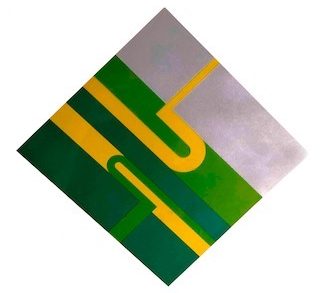
The literary part of the song embraces both the democratic dream and the color “green” which, to Brazilian, means “hope”. The other aspect is the always present preoccupation with environmental destruction, giving a complete meaning for the name of the song.
The melodic structure is on the frontier of traditional Samba and Bossa Nova, something very typical of Gudin’s work. He is also a guitarist and arranger, besides being a respected professional composer.
Costa Netto´s lyrics are simple and amazing. He is one of the less known Brazilian lyricists but has more than 100 songs registered. In his professional life, he´s a lawyer specialized in one of the biggest problems in Brazilian legislation for authors of any kind: intellectual properties and rights.
Leila Pinheiro is a truly Brazilian singer. Born in the north, she came to Rio de Janeiro in her young years. She could have brought her northern influences to her music, but to my ears, she seems to have been completely bewitched by Bossa Nova. Her vocal ability and strict professional discipline turned her into one of the most consistent Brazilian singers. “Verde” is the song that revealed Leila Pinheiro as a singer. It was first presented in one of the Brazilian music festivals in the ’80s and caused a huge emotion in the festival audience when performed.
I choose two videos for this post. The first one is the excerpt from a Leila Pinheiro recent show. She sings “Verde” beautifully as always.
The second one is an English version of the same song, made by Costa Netto and Marsha Furutani, an American singer and lyricist. The desire of having lyrics in English came from the composer Eduardo Gudin, due to the very sad and hopeless political and environmental situation nowadays in Brazil. In the video, Gudin plays guitar. Naila Gallotta plays piano and sings along with Marsha Furutani. Beautiful version.
As stated in this YouTube video comment: “Everyone involved in the making of this video/recording hopes this offering can in some way expedite changing the current condition of the world from gray and sad to GREEN and hopeful for our future.” That´s my hope too.
N.B. : This post uses part of the above YouTube video description with updates.
 Brazil Drops